
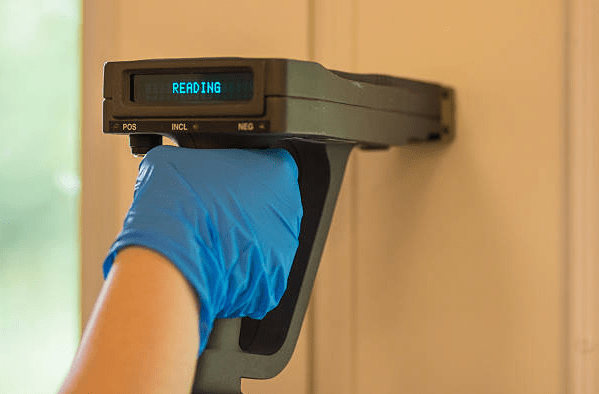
Lead is a toxic metal that can cause serious health issues, especially in children and pregnant women. Lead testing is an important process for detecting the presence of lead in your home or business. However, there are several misconceptions surrounding lead testing that can prevent people from getting the testing they need. In this article, we will debunk some common misconceptions about lead testing.
Misconception #1: Lead Testing is only necessary in Older Homes
One common misconception is that lead testing is only necessary in older homes. While it is true that lead-based paint was banned in 1978, homes built before this time may still contain lead-based paint. Additionally, lead can also be found in other materials such as pipes and soil, which can affect homes of any age.
Misconception #2: Only Children Need Lead Testing
Another common misconception is that lead testing is only necessary for children. While it is true that children are more susceptible to the harmful effects of lead, adults can also be affected. Exposure to lead can cause health issues such as high blood pressure and kidney damage, and pregnant women who are exposed to lead can pass it on to their unborn child.
Misconception #3: Lead Testing is Expensive
Some people avoid getting lead testing because they believe it is too expensive. While there is a cost associated with lead testing, the cost is minimal compared to the potential health issues that can result from lead exposure. Additionally, many insurance companies will cover the cost of lead testing.
Misconception #4: Lead Testing is Invasive and Disruptive
Another misconception is that lead testing is an invasive and disruptive process. While there are some types of lead testing that require a blood test, most lead testing is non-invasive and non-disruptive. Lead testing can be done using a simple swab or by collecting dust samples from surfaces in your home or business.
Misconception #5: Lead Testing Can Only Detect Lead Paint
Some people believe that lead testing can only detect lead-based paint. While lead-based paint is a common source of lead, lead can also be found in other materials such as pipes, solder, and certain types of ceramic dishware. Lead testing can detect the presence of lead in these materials as well.
Misconception #6: Lead Testing is not accurate
Finally, some people believe that lead testing is not accurate. While there may be some less reliable testing methods, modern lead testing methods are highly accurate and reliable. It is important to choose a reputable lead testing company to ensure accurate results.
Conclusion
Lead testing is an important process for detecting the presence of lead in your home or business. Despite common misconceptions, lead testing is necessary for anyone who may be at risk of lead exposure. Lead testing is not limited to detecting lead-based paint, is not invasive or disruptive, and is accurate. The cost of lead testing is minimal compared to the potential health issues that can result from lead exposure. If you believe you may be at risk of lead exposure, it is important to get a lead test to ensure the safety of yourself and those around you.