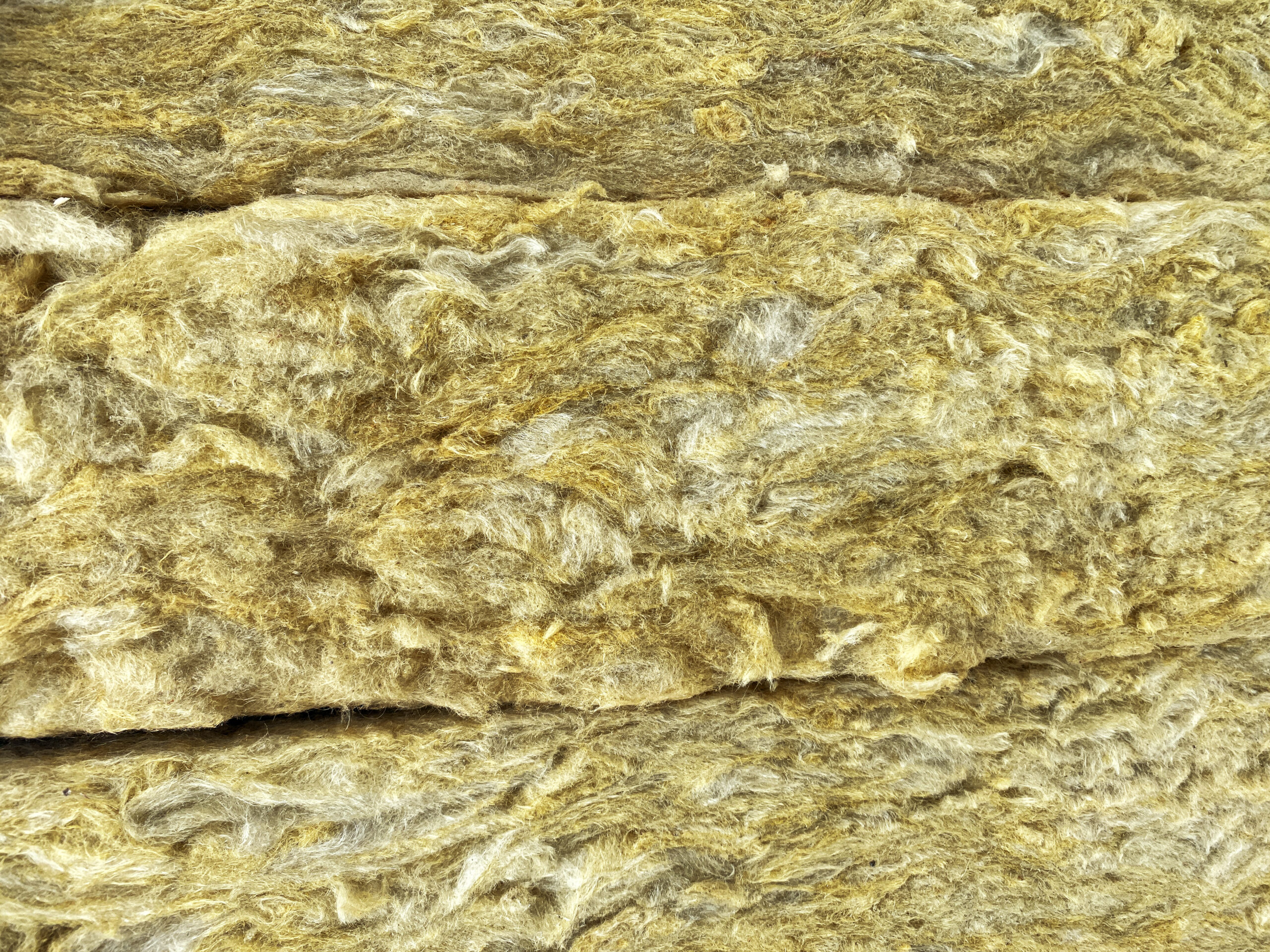
Blown-in insulation is a popular type of insulation that is often used to increase the energy efficiency of homes and buildings. However, many people are concerned about the potential health risks associated with blown-in insulation, particularly the presence of asbestos. Today, we will explore whether blown-in insulation contains asbestos and what you can do to protect yourself from exposure.
What is Blown-In Insulation?
Blown-in insulation, also known as loose-fill insulation, is a type of insulation that is made up of small particles of materials such as fiberglass, cellulose, or rock wool. The insulation is installed by blowing or spraying the particles into the space to be insulated, where they settle and form a layer of insulation.
Does Blown-In Insulation Contain Asbestos?
[videopress Rbzyblv8]
In the past, blown-in insulation was sometimes made with asbestos, a naturally occurring mineral that was commonly used in building materials until the 1980s. However, modern blown-in insulation does not contain asbestos.
The use of asbestos in insulation was banned in the United States in the 1970s, and since then, insulation manufacturers have switched to using safer materials such as fiberglass, cellulose, and rock wool.
However, if you have an older home or building, it is possible that asbestos-containing blown-in insulation may have been installed in the past. If you are unsure whether your blown-in insulation contains asbestos, it is important to have it tested by a professional.
How to Protect Yourself from Asbestos Exposure
If you have blown-in insulation in your home or building and you suspect that it may contain asbestos, it is important to take steps to protect yourself from exposure. Asbestos fibers can be released into the air when the insulation is disturbed, which can be hazardous to your health if inhaled.
If you suspect that your blown-in insulation contains asbestos, do not attempt to remove it yourself. Instead, contact a professional who is trained in handling asbestos-containing materials.
If you are planning to have blown-in insulation installed in your home or building, be sure to choose a reputable insulation contractor who uses modern, asbestos-free materials.
Conclusion
It is possible that asbestos-containing insulation may have been installed in the past. If you suspect that your insulation contains asbestos, it is important to have it tested and removed by a professional. By taking steps to protect yourself from asbestos exposure, you can help ensure the safety and health of yourself and your family.
[contact-form to=”schedule@tetonenviro.com” subject=”Asbestos in Insulation”][contact-field label=”Name” type=”name” required=”1″][contact-field label=”Email” type=”email” required=”1″][contact-field label=”Phone Number” type=”text” required=”1″][contact-field label=”Address” type=”text” required=”1″][contact-field label=”Do you need insulation tested for asbestos?” type=”textarea” required=”1″][/contact-form]