Mold is a common problem in many homes and buildings. It can grow quickly and silently, often without being noticed until it becomes a major issue. While some types of mold are harmless, others can be extremely harmful to your health.
What is Mold?
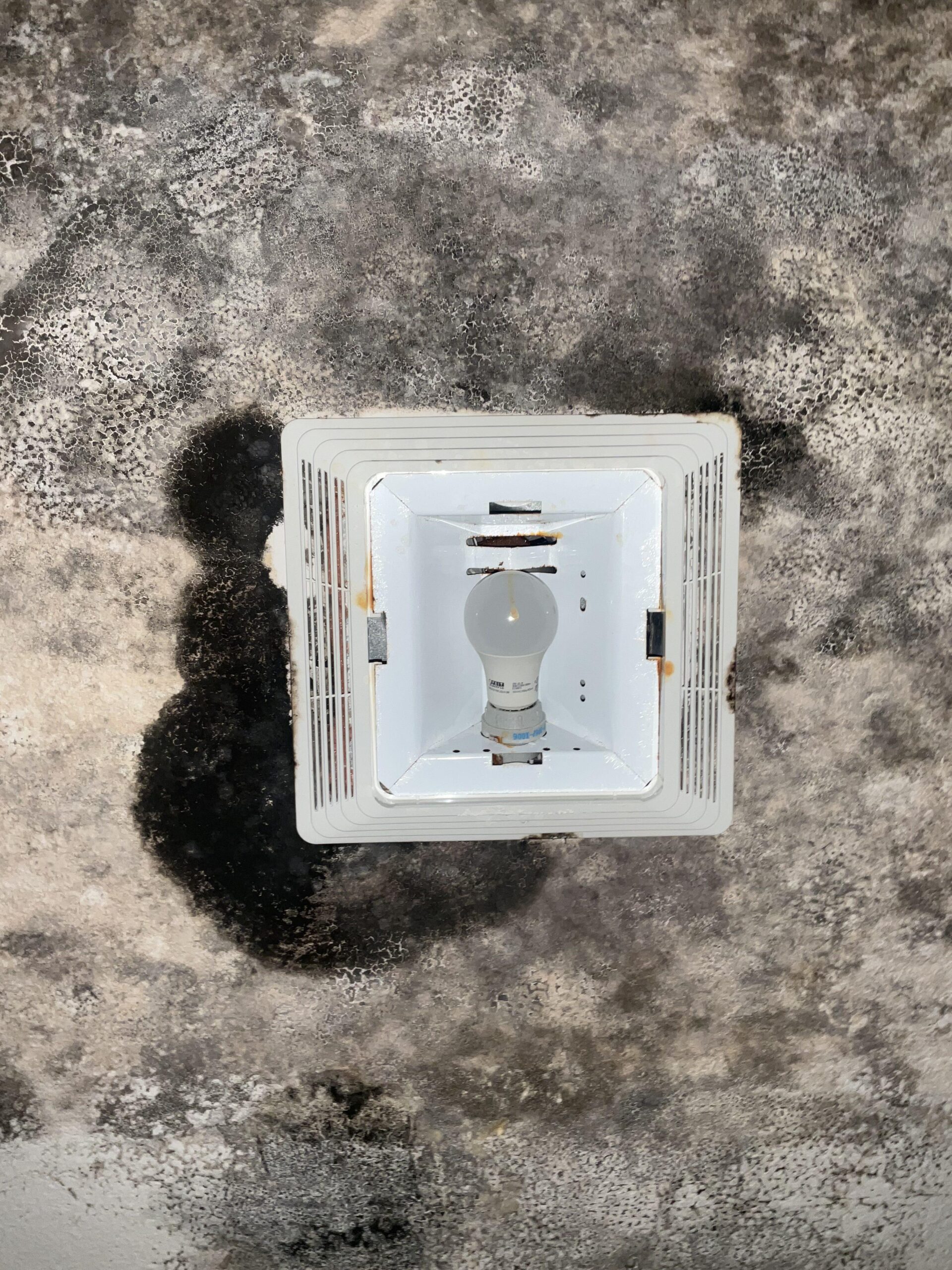
Mold is a type of fungus that grows in damp, humid environments. It can grow on a variety of surfaces, including walls, ceilings, floors, and even furniture. Mold spores are everywhere in the air around us, but they need moisture and a food source to grow. Once they find a suitable environment, they can quickly spread and cause a variety of health problems.
How Harmful is Mold?
Mold can cause a variety of health problems, especially if you are exposed to it for an extended period. Some people are more sensitive to mold than others, and their reactions can range from mild to severe. Here are some of the health problems associated with mold:
- Allergies – Mold can trigger allergies in some people, causing symptoms such as sneezing, runny nose, and itchy eyes.
- Respiratory Problems – Exposure to mold can cause respiratory problems such as coughing, wheezing, and difficulty breathing. This is especially true for people with asthma or other respiratory conditions.
- Skin Irritation – Some types of mold can cause skin irritation, including rashes and hives.
- Infections – In some cases, mold can cause infections in the lungs or other parts of the body. These infections can be especially dangerous for people with weakened immune systems.
- Toxicity – Some types of mold produce mycotoxins, which can be extremely harmful to your health. Exposure to these toxins can cause neurological problems, organ damage, and even death.
Preventing Mold Growth
The best way to prevent mold growth is to control the moisture levels in your home. Here are some tips to help you prevent mold growth:
- Fix Leaks – If you have any leaks in your home, be sure to fix them right away. This will prevent water from accumulating and creating a suitable environment for mold to grow.
- Ventilate – Proper ventilation is essential to prevent mold growth. Use exhaust fans in the bathroom and kitchen, and make sure your home has adequate ventilation.
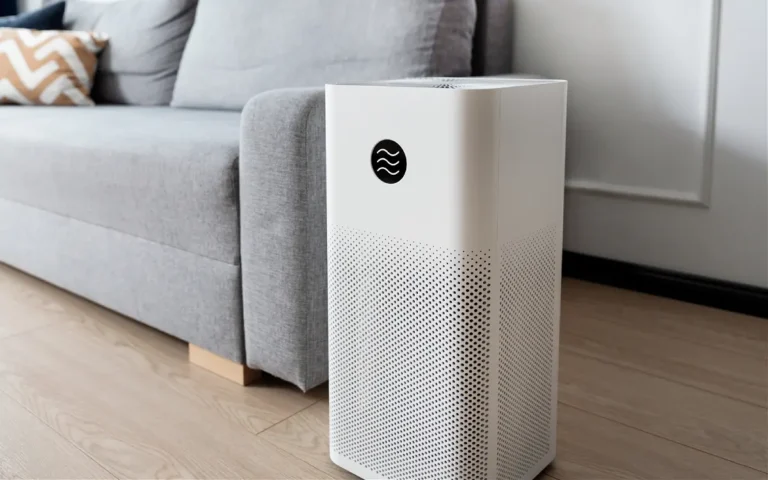
- Control Humidity – Keep your home’s humidity levels below 60 percent. You can use dehumidifiers to help control humidity levels.
- Clean Regularly – Regular cleaning can help prevent mold growth. Clean up spills and moisture right away, and be sure to clean your home’s surfaces regularly.
If you want more tips on preventing mold, click here.
Conclusion
Mold can be extremely harmful to your health, so it’s important to take steps to prevent it from growing in your home. By controlling moisture levels, ventilating your home, and cleaning regularly, you can help prevent mold growth and protect your health. If you do have mold in your home, be sure to have it removed by a professional to ensure that it is done safely and effectively.
[contact-form to=”schedule@tetonenviro.com” subject=”How Harmful is Mold?”][contact-field label=”Name” type=”name” required=”1″][contact-field label=”Email” type=”email” required=”1″][contact-field label=”Phone Number” type=”text” required=”1″][contact-field label=”Message” type=”textarea” required=”1″][/contact-form]