
Lead in drinking water is a serious health concern, especially for children and pregnant women. Lead can cause a range of health problems, including learning and behavioral problems, reduced IQ, and hearing problems. In this article, we will explore the importance of lead water test and how it can help protect your family’s health.
Why is Lead in Drinking Water a Concern?
Lead is a toxic metal that can cause serious health problems, particularly in young children and pregnant women. When lead is ingested, it can enter the bloodstream and accumulate in the body, causing long-term health problems. The effects of lead exposure are cumulative, meaning that the longer someone is exposed to lead, the greater their health risk will be.
Symptoms of Lead Exposure
Lead exposure can cause a range of symptoms, including:
- Learning and behavioral problems
- Reduced IQ
- Hearing problems
- Constipation
- Loss of appetite
- Fatigue
- Headaches
If you suspect that you or someone in your family has been exposed to lead, it’s important to seek medical advice. Your doctor may recommend a blood test to determine the levels of lead in your blood.
Sources of Lead in Drinking Water
Lead can enter drinking water through the corrosion of lead pipes, fittings, and plumbing fixtures. Lead can also leach into drinking water from lead-based paint, and from contaminated soil and dust.
How to Test for Lead in Drinking Water
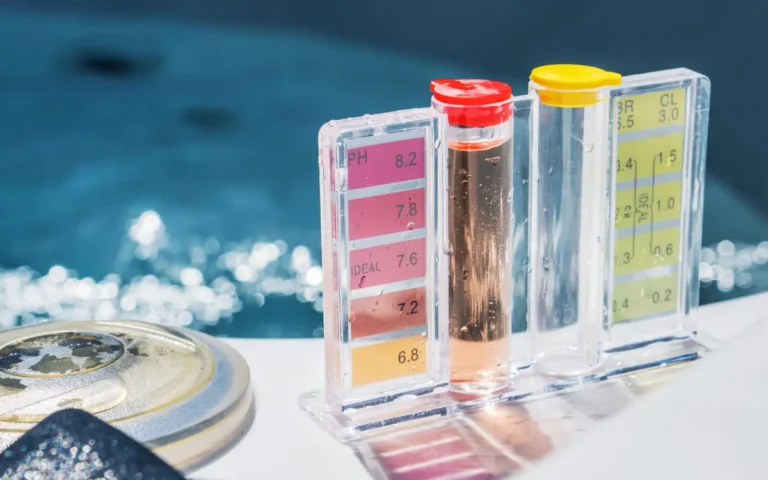
If you’re concerned about lead in your drinking water, the best way to find out is to test it. Lead water testing kits are readily available from hardware stores, home improvement centers, and online. You can also have your drinking water tested by a professional laboratory.
To test for lead in your drinking water, simply follow the instructions provided with the kit. The test will typically involve collecting a water sample and sending it to the laboratory for analysis. You can also have your water tested by a professional laboratory.
Preventing Lead in Drinking Water
There are a number of steps you can take to prevent lead from entering your drinking water. These include:
- Installing lead-free plumbing fixtures
- Replacing lead pipes with copper or plastic pipes
- Installing a water treatment system
- Running your water for a few minutes before using it
- Using only cold water for drinking and cooking
Conclusion
Lead in drinking water is a serious health concern, particularly for children and pregnant women. By understanding the importance of lead water testing and taking steps to prevent lead from entering your drinking water, you can help protect your family’s health. If you’re concerned about lead in your drinking water, the best way to find out is to test it. With a simple water test, you can determine if your drinking water is safe, and if not, take the necessary steps to address the problem.