In the pursuit of a healthier living environment, the strategic placement of air purifiers becomes a crucial factor. This in-depth guide will meticulously explore the ideal positioning of air purifiers in each room of your home or office building. A nuanced understanding of placement is essential to unlock the full potential of these devices and ensure a significant improvement in air quality.
Understanding Air Purifiers and Their Mechanism: Before delving into the intricacies of placement, it’s imperative to comprehend the fundamental workings of air purifiers. These devices are engineered to filter and purify the air by capturing particles, pollutants, and allergens. Components such as HEPA filters, activated carbon filters, UV-C lights, and ionizers collaborate synergistically to enhance air quality. The placement of air purifiers plays a pivotal role in determining their effectiveness in capturing and eliminating airborne contaminants.
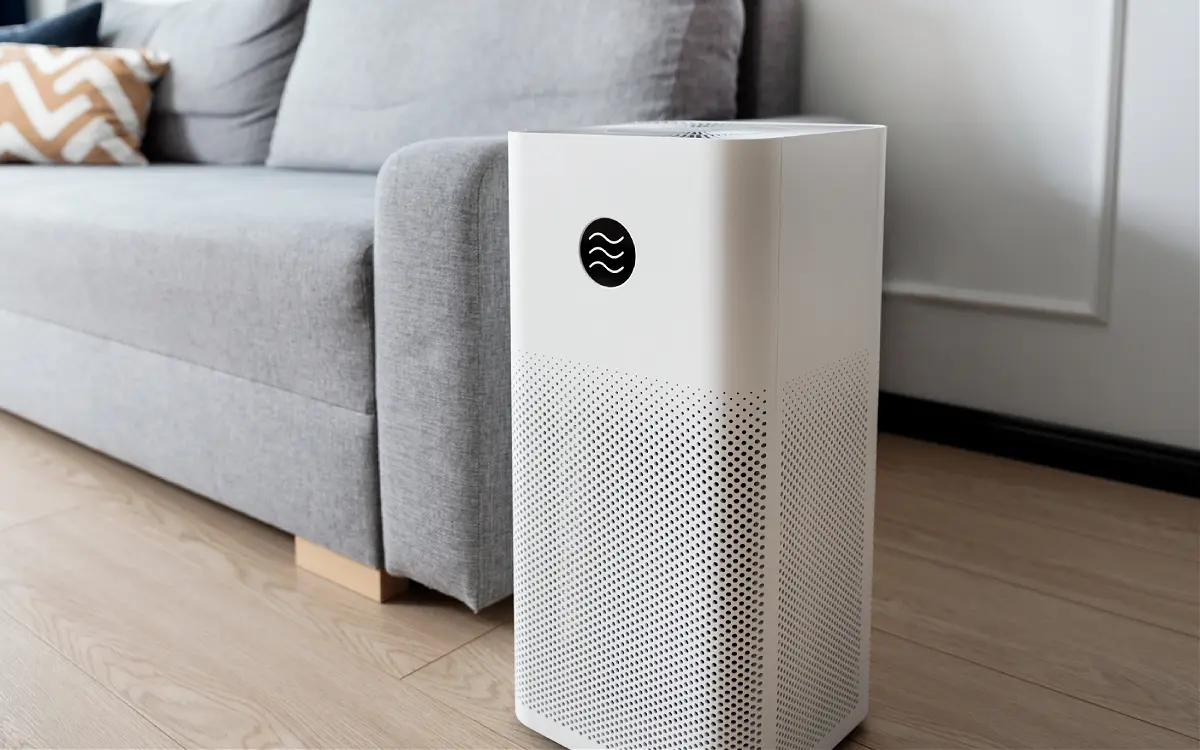
- Living Room: The living room, often the central gathering space in a home, requires meticulous consideration for air purifier placement. Optimal placement involves selecting a central location with good airflow to ensure comprehensive coverage. This strategic positioning enables the it to efficiently capture pollutants emanating from various sources, contributing to improved air quality. When choosing a unit for the living room, prioritize models with a high Clean Air Delivery Rate (CADR) to accommodate the larger size of this shared space.
- Bedroom: The bedroom is a sanctuary for rest and rejuvenation, making air quality paramount for a good night’s sleep. Place the air purifier strategically near the bed, considering noise levels and opting for models with sleep modes or timers. This careful placement not only enhances air quality during sleep but also minimizes allergen exposure, fostering a healthier sleep environment. Choose an air purifier designed for bedrooms, with features like whisper-quiet operation to ensure an undisturbed night’s rest.
- Kitchen: Kitchens are hotspots for odors and cooking-related pollutants, making them ideal spaces for air purifier placement. Position the air purifier either in or near the kitchen to effectively target these specific sources. Opt for models equipped with activated carbon filters, known for their efficiency in neutralizing odors and capturing volatile organic compounds (VOCs) generated during cooking. This targeted placement ensures that the air purifier actively addresses pollutants in this high-traffic area, contributing to a healthier kitchen environment.
- Home Office: The rise of remote work has led to the incorporation of home offices into many households, emphasizing the importance of air quality in these spaces. Strategically position the air purifier near your workspace to create a clean and conducive environment. This becomes particularly critical if your home office shares space with other activities, as pollutants from electronics, printers, and indoor plants can impact air quality. Select purifiers with features tailored for office settings, such as compact designs and advanced filtration technologies.
- Bathroom: While bathrooms may not be the first place considered, they can benefit from improved air quality. Place a compact air purifier on a shelf or countertop to capture particles and neutralize odors, especially in bathrooms with inadequate ventilation. This targeted placement ensures that the device effectively addresses pollutants unique to bathrooms, contributing to a fresher and cleaner atmosphere.
- Nursery/Children’s Room: Creating a healthy environment for children is a top priority, making strategic placement in nurseries or children’s rooms crucial. Position the air purifier away from cribs or play areas, ensuring a safe distance to avoid any potential risks. Opt for models designed for quiet operation to prevent disturbances during nap time or play. This careful placement contributes to a healthier living space for children, minimizing allergen exposure and creating a conducive environment for growth and development.
- Home Gym: Home gyms, characterized by increased respiration and sweat, benefit from the integration of air purifiers to maintain a clean and fresh atmosphere. Position the unit near exercise equipment to capture airborne particles and enhance overall air quality in the dedicated workout space. Choose models with high CADR values and advanced filtration technologies to effectively address the unique challenges posed by home gym environments. This strategic placement ensures that the air purifier actively contributes to a healthier and more enjoyable workout space.
- Office Building Spaces: In an office building, the placement of air purifiers varies based on the layout and purpose of each space. Common areas such as lobbies and meeting rooms benefit from central placements, ensuring comprehensive coverage and effective air purification. Individual offices may require localized solutions, with strategic positioning to address specific pollutants relevant to the space, such as printer emissions or shared ventilation concerns. Prioritize air purifiers with customizable settings and advanced sensors to adapt to the dynamic needs of office environments. This nuanced placement contributes to a healthier workspace, improving overall air quality for occupants.
Maintenance Tips for Optimal Performance: To ensure that your air purifier continues to operate at peak efficiency, regular maintenance is crucial. Follow these essential tips:
- Filter Replacement: Adhere to the manufacturer’s guidelines for filter replacement to maintain optimal efficiency. Filters play a critical role in capturing and removing particles, pollutants, and allergens from the air. Regular replacement ensures that the air purifier continues to operate at peak performance, contributing to sustained improvements in air quality.
- Component Cleaning: Periodically clean components such as pre-filters and sensors to prevent a decline in performance. Over time, these components may accumulate dust and particles, potentially hindering their effectiveness. Regular cleaning ensures that the air purifier remains in optimal condition, actively contributing to improved air quality.
- Check Airflow: Ensure there are no obstructions around the air purifier that could impede airflow, compromising its effectiveness. Unrestricted airflow is essential for efficient operation. Regularly check the surrounding area to ensure that there are no obstacles that could hinder the intake and circulation of air. This simple step contributes to the consistent and effective performance of the air purifier.
Strategic placement of air purifiers in every room of your home or office building is a proactive and integral step toward ensuring the health and well-being of occupants. By understanding the unique requirements of each space and considering factors such as room size, specific pollutants, and noise levels, you can maximize the effectiveness of your air purifiers. Remember to prioritize regular maintenance to keep your devices operating at peak performance. With thoughtful placement and proper care, you can significantly contribute to a cleaner, healthier indoor environment, promoting a better quality of life for everyone within the space.